Roofing guide
How long a roof lasts in North Texas heat
The number on the shingle wrapper assumes a gentler climate than Dallas. Heat, hail and ventilation decide how much of that number you actually get.
- We answer 24/7
- Dallas service office
Quick answer
In North Texas, three-tab shingles typically last about 15 to 20 years, architectural shingles about 25 to 30, metal 40 years or more and tile far longer, though tile underlayment needs renewing around year 25. Summer rooftop temperatures near 160 degrees, hail and poor attic ventilation are what shorten those numbers most.
By Cyril Cross, Roofing Guides Editor · Updated September 2026
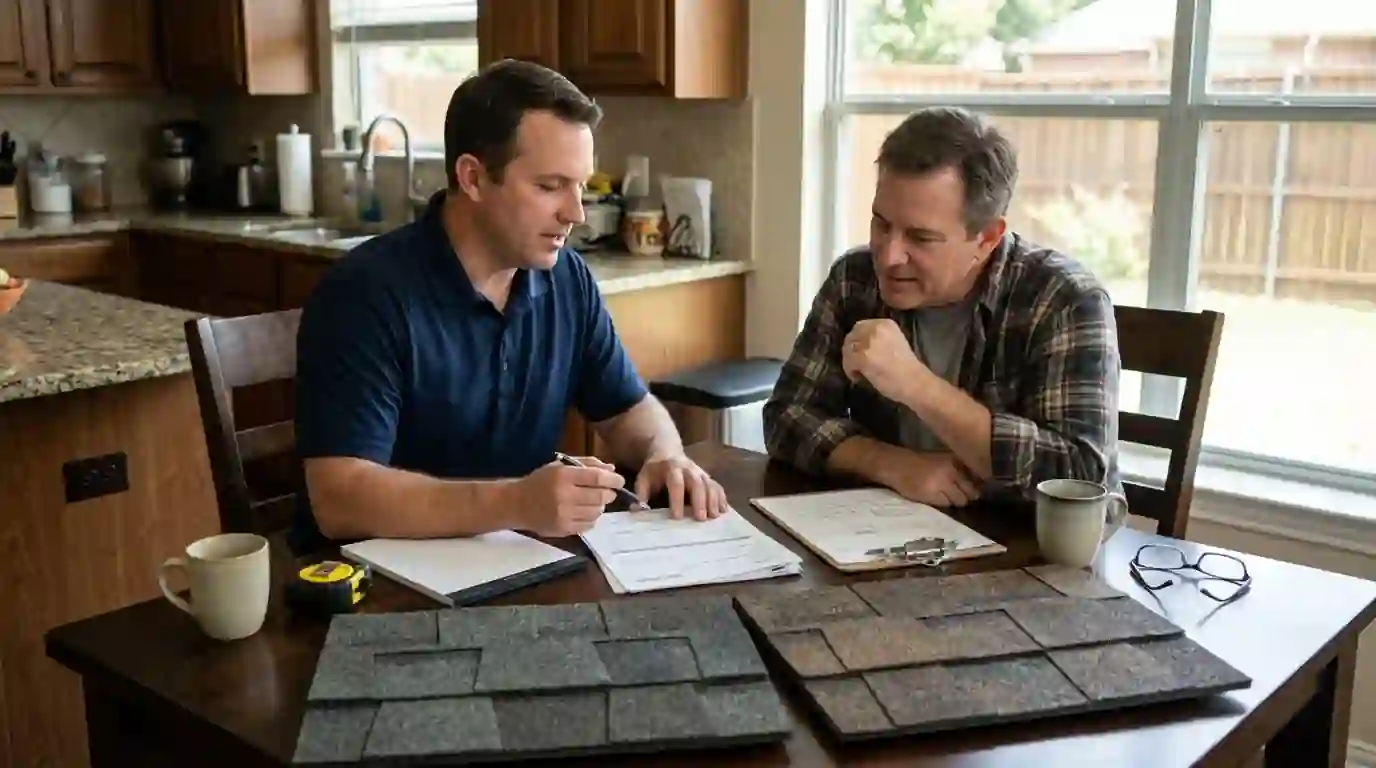
Typical lifespans here
- Three-tab asphalt: about 15 to 20 years.
- Architectural asphalt: about 25 to 30 years.
- Class 4 impact-resistant: similar to architectural, but more likely to reach that age because it survives more hail.
- Metal: commonly 40 years or more; the paint finish ages before the steel.
- Concrete and clay tile: the tile lasts for decades; the underlayment under it typically needs replacing around year 25.
Those are typical ranges in this climate, not guarantees. The metal vs shingle guide compares the two most common choices.
What the heat does
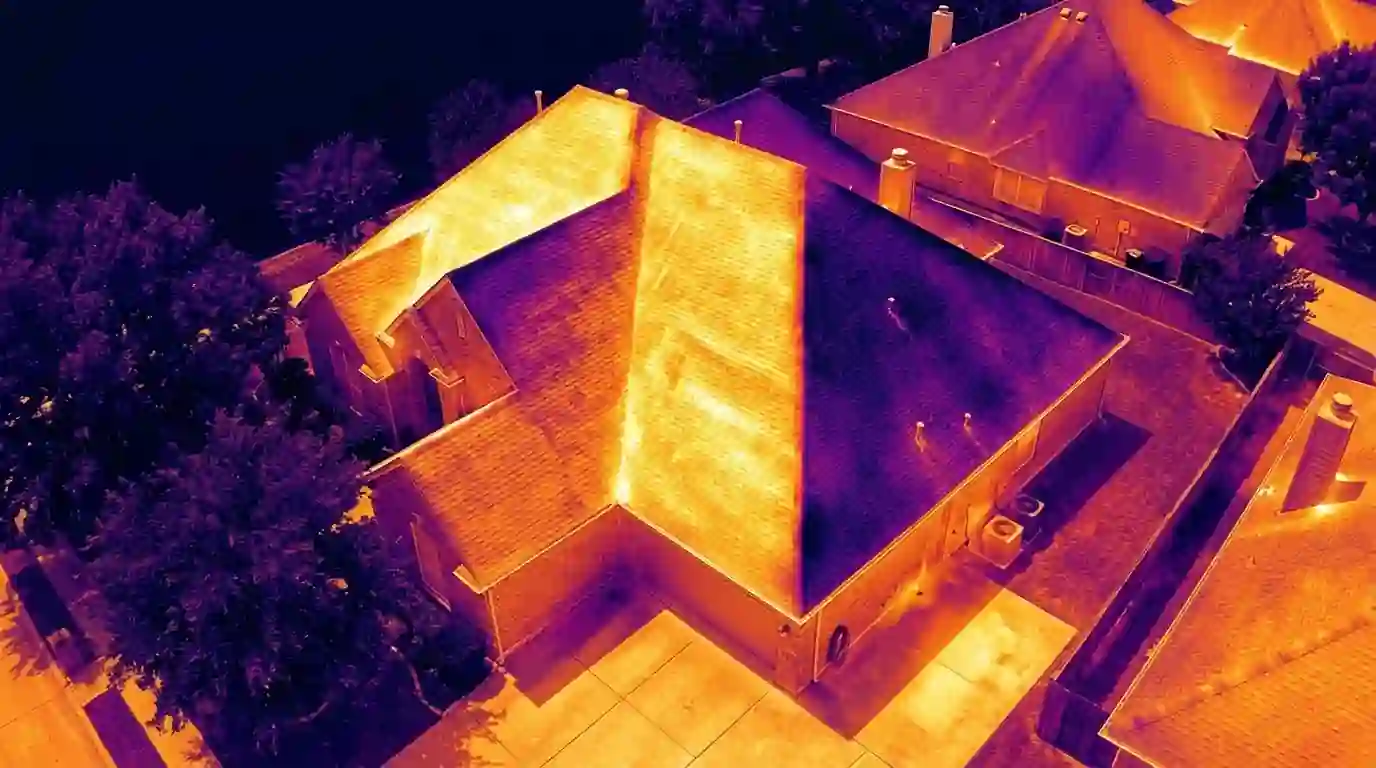
On a Dallas summer afternoon, a shingle roof surface runs around 160 degrees. That heat drives the oils out of the asphalt, makes it brittle, and loosens the granules that protect it from sunlight. Once granules go, UV attacks the asphalt directly and aging speeds up. That is why the south and west slopes usually wear out years before the north slope on the same house.
The attic makes it worse or better. A poorly ventilated attic bakes the shingles from underneath as well.
Ventilation: the cheapest years you can buy
Balanced ventilation, cool air in at the soffits and hot air out at the ridge, keeps the underside of the roof closer to outdoor temperature. Most older Dallas homes have exhaust vents but little intake, so the attic runs hot. Fixing that during a re-roof costs little and helps the new roof reach its full life. See roof ventilation and attic insulation and radiant barrier.
Talk to a Dallas roofer now
Describe the leak or the damage, and we will tell you whether it needs a tarp tonight or a scheduled visit this week.
(214) 429-4542Maintenance that adds years
- Replace split pipe boots before they leak; the rubber fails from sun long before the shingles.
- Renew dried sealant at flashing and exposed nail heads.
- Keep valleys and gutters clear so water does not sit against shingles.
- Trim branches that scrape granules off the roof.
- Have the roof checked after every significant hail storm.
An annual maintenance visit covers all of that in about two hours, and the dated photos help if a storm claim follows.
Material by material: what fails first
- Asphalt shingles: granules on the sun-facing slopes, then the seal strips, then cracking. Pipe boots and flashing sealant usually fail before any of that.
- Metal: exposed fasteners on screw-down panels, as the rubber washers dry out; on standing seam, sealant at the ridge and penetrations and eventually the paint finish.
- Tile: the underlayment beneath, around year 25, along with valley metal and flashings. The tiles themselves mostly fail from foot traffic and large hail.
- Flat roofs: seams, flashings and drains, and ponding water that ages the membrane.
In every case the first failure is a small part that costs little to replace early. That is the argument for maintenance: it keeps the cheap failures from turning into the expensive ones.
When age starts to matter for insurance
Texas insurers still often cover storm damage on roofs around twenty years old, but they frequently shift older roofs to actual cash value, subtracting depreciation from the payout, and some limit coverage by roof age. That makes the last few years of a roof's life more expensive than they look. Planning a replacement on your schedule, rather than after the next storm, is usually cheaper.
The signs guide helps you judge where your roof is.
Keep reading
More guides on this
Questions we get
Roof lifespan questions
Three-tab about 15 to 20 years; architectural about 25 to 30.
Summer rooftop heat near 160 degrees, hail, and hot attics.
Usually the south and west slopes.
Yes; it keeps the roof from baking from underneath.
Commonly 40 years or more.
Yes, the underlayment beneath it, around year 25.
When several warning signs appear on a roof past twenty years.
Wondering how much life yours has left?
An inspection gives you an honest estimate in writing, with photos of what drives it.